
Effective Steps to Bicycle Servicing - Bicycle Repair Tips
Owning a bike or e-bike means regular upkeep. Proper maintenance keeps your ride smooth and safe. Follow clear steps to service your bike. These steps save time and money. They also prevent bigger problems later. Here are some practical bicycle repair tips that anyone can use.
Essential Bicycle Repair Tips for Every Rider
Start with a clean bike. Dirt and grime hide issues and wear parts faster. Use a gentle brush and bike-specific cleaner. Avoid harsh chemicals that damage paint or components. Rinse with water and dry with a soft cloth.
Next, check the tyres. Look for cuts, cracks, or worn tread. Inflate tyres to the recommended pressure on the sidewall. Proper pressure improves ride comfort and reduces punctures. Carry a pump and spare tube for emergencies.
Inspect the brakes carefully. Squeeze the brake levers and watch the pads. They should contact the rim or disc firmly and evenly. Replace worn pads immediately. Adjust cable tension if brakes feel loose or spongy. Good brakes save lives.
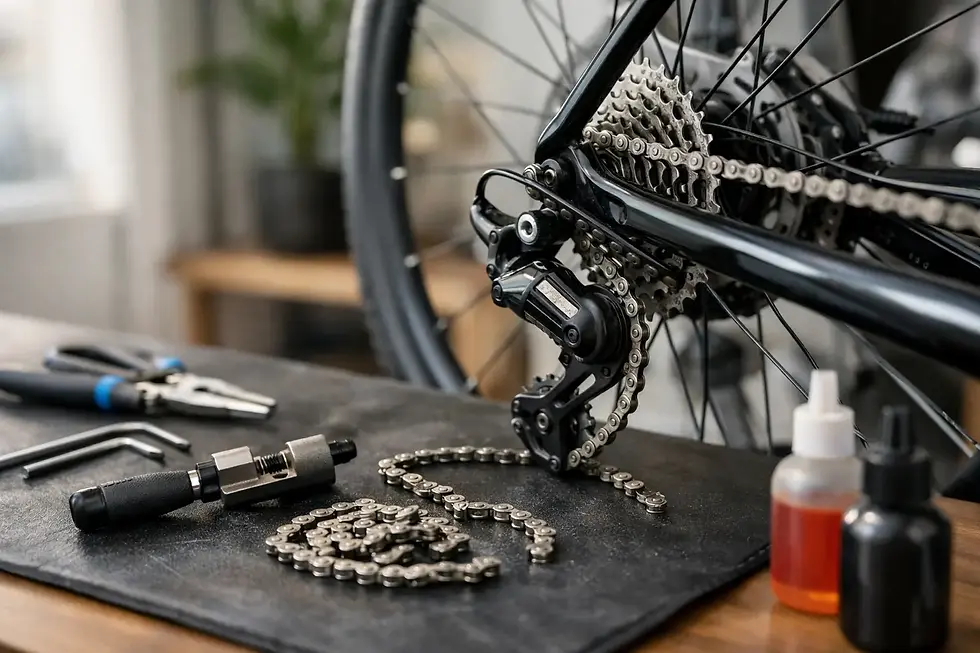
Lubricate the chain and moving parts. Use a bike-specific lubricant. Apply sparingly to avoid attracting dirt. Wipe off excess lube with a rag. A well-lubricated chain shifts smoothly and lasts longer.
Finally, check all bolts and nuts. Use the correct tools to tighten loose parts. Pay special attention to the handlebars, seat post, and wheels. Loose parts can cause accidents or damage.
Lubricating the chain ensures smooth gear shifts and longer component life.

Step-by-Step Guide to Basic Bicycle Servicing
A break down of servicing into clear steps. This method works for both standard bikes and e-bikes.
Clean the bike thoroughly. Remove dirt from the frame, wheels, and drivetrain.
Check tyre condition and pressure. Inflate or replace as needed.
Inspect brakes and adjust or replace pads. Test brake function.
Lubricate the chain and pivot points. Avoid over-lubrication.
Check gear shifting. Adjust derailleurs for smooth changes.
Tighten all bolts and nuts. Use a torque wrench if possible.
Inspect wheels for true. Spin wheels to check for wobbles. True wheels if necessary.
Test ride the bike. Listen for unusual noises and feel for smooth operation.
For e-bikes, add battery and motor checks. Ensure connectors are clean and secure. Check for software updates if applicable. These steps keep your e-bike reliable and safe.
How much does a bike service usually cost?
Costs vary depending on the service level and bike type. A basic tune-up often costs between £30 and £60. This includes cleaning, brake adjustment, and tyre inflation. A full service, which covers drivetrain cleaning, wheel truing, and part replacement, can range from £80 to £150.
E-bike servicing tends to be pricier. The complex electronics and motor require specialist knowledge. Expect to pay £100 to £200 for a comprehensive e-bike service. Always ask for a detailed quote before work begins.
Regular servicing reduces the risk of costly repairs. It also extends your bike’s lifespan. Consider scheduling a service every 6 to 12 months, depending on usage.
Tools and Supplies You Need for DIY Servicing
Having the right tools makes servicing easier and more effective. Here’s a basic list I recommend:
Bike stand or a stable surface to work on
Set of Allen keys (hex wrenches)
Screwdrivers (flat and Phillips)
Tyre levers and pump
Chain lubricant
Cleaning brushes and rags
Torque wrench
Patch kit and spare inner tubes
Wheel truing stand (optional but useful)
Invest in quality tools. Cheap tools can damage bolts or strip screws. Keep your tools clean and organised. This saves time and frustration during repairs.
When to Seek Professional Help
Some repairs require expert skills. Complex issues with e-bike motors or battery systems are best left to specialists. If you notice strange noises, loss of power, or error codes, visit a trusted workshop.
Also, if you lack the time or confidence to perform certain tasks, professional servicing is wise. They have the right tools and experience to diagnose and fix problems quickly.
Regular visits to a reputable workshop complement your DIY efforts. They provide thorough inspections and handle advanced repairs. This partnership keeps your bike in top condition.
Keep Your Bike Ready for Every Ride
Routine maintenance is key. Make it a habit to do quick checks before every ride:
Tyre pressure and condition
Brake function
Gear shifting accuracy
Chain lubrication
Small steps prevent breakdowns and improve safety. Remember, a well-serviced bike performs better and lasts longer.
For detailed guidance, I rely on trusted resources and local experts. If you want to learn more about bicycle servicing, check out specialist workshops near you.
By following these effective steps, you keep your bike reliable and enjoyable. Whether you ride for fun, fitness, or commuting, good maintenance pays off.
Happy cycling!


Comments