
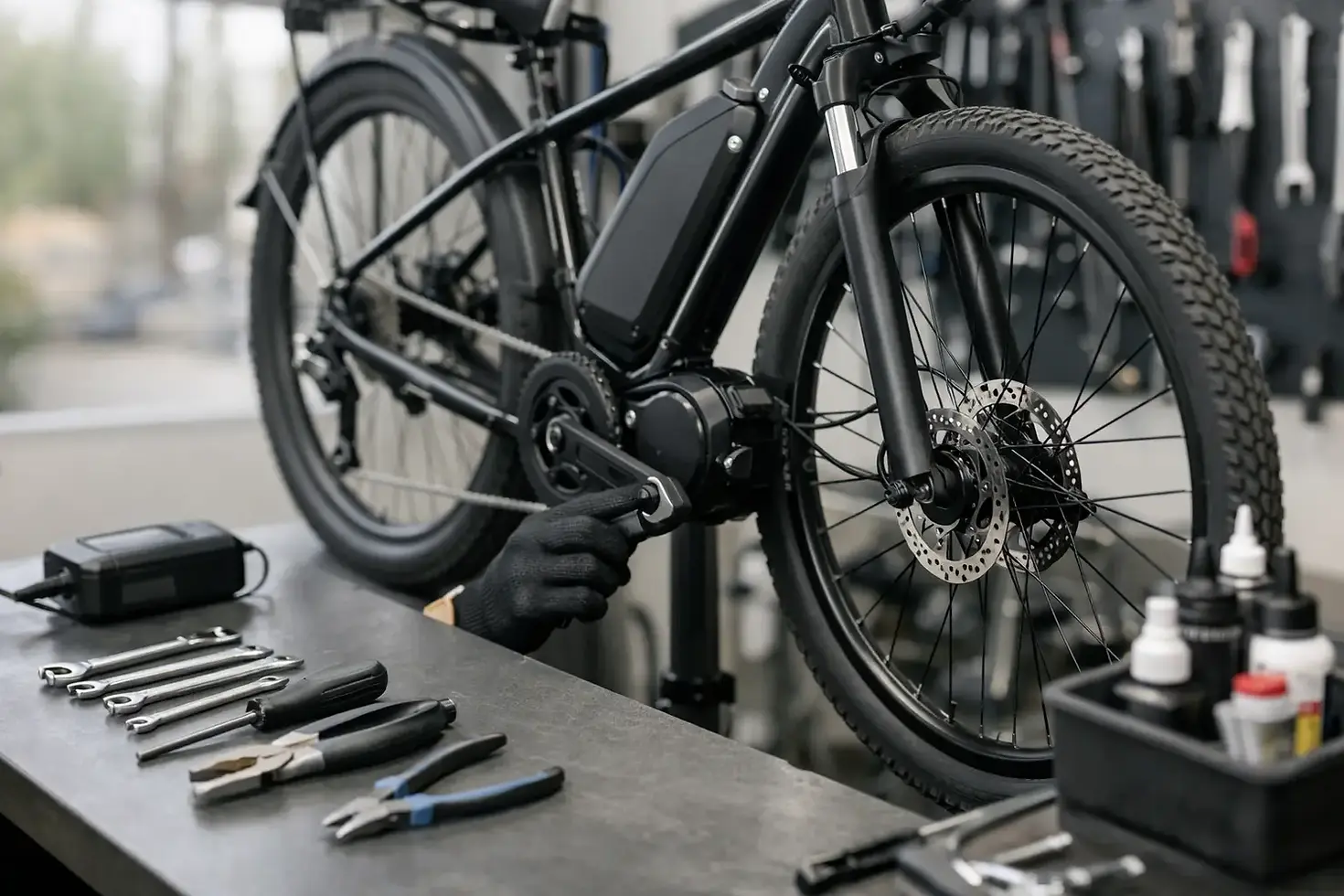
Ebike Servicing Hailsham Area: What Matters
If you rely on your electric bike to get to work, manage longer weekend rides, or simply make local trips easier, ebike servicing Hailsham area riders can trust is about far more than a quick once-over. A modern e-bike is part cycle, part electrical system, and the quality of the service work matters. The difference shows up in battery range, braking confidence, gear performance, software behaviour and, most importantly, how safe the bike feels on the road.
Why e-bike servicing is different
A standard bike service covers the usual mechanical wear points - brakes, gears, tyres, chain, bearings and wheels. An e-bike needs all of that, but with extra load, extra weight and extra complexity. Motors add torque through the drivetrain, batteries add mass, and control systems introduce wiring, sensors and software into the picture.
That means an e-bike can wear parts faster than some riders expect, especially if it is used daily. Chains and cassettes often need attention sooner. Brake pads can disappear quickly on heavier bikes or hilly routes. Even something as simple as a wheel true can be more important when the bike is carrying extra weight and travelling at assisted speed.
There is also the electrical side. If a rider reports reduced assistance, cut-outs, charging faults or error codes, a basic mechanic without the right tools may only be guessing. Proper diagnosis depends on knowing the system and being able to inspect the bike as a whole rather than treating the motor as a sealed mystery.
Ebike servicing in the Hailsham area - what riders usually need
Around Hailsham, many e-bike owners use their bikes in a practical way. They are commuting, riding into surrounding towns, dealing with mixed road surfaces, and using the bike through all seasons rather than only on dry summer weekends. That sort of use creates predictable service needs.
The most common workshop jobs are brake servicing, drivetrain wear, puncture repairs, wheel issues and battery or charging checks. On e-bikes, these jobs often overlap. A rider may come in thinking the motor is struggling, when the real issue is a badly worn chain and cassette creating drag and poor shifting. Another may be worried about range when the battery is healthy but the tyres are underinflated and the brakes are rubbing.
This is why a proper service starts with the full bike. It is not just about plugging into a diagnostic tool and reading fault codes. Good servicing means checking the mechanical condition, the electrical system, and how the two are affecting each other.
How often should an e-bike be serviced?
There is no single answer, because it depends on mileage, weather, storage and riding style. A lightly used leisure e-bike may only need a full service once a year, with a quick safety check in between. A commuter bike ridden several times a week may need much more regular attention.
As a sensible guide, many riders benefit from a check every few months and a more comprehensive service at least annually. If you ride in poor weather, carry shopping, use turbo modes frequently or cover higher mileage, your bike may need workshop time sooner. Waiting until something feels obviously wrong usually means more parts are worn by the time the bike comes in.
One of the more expensive examples is drivetrain neglect. On an e-bike, a stretched chain can quickly wear a cassette and chainring because of the extra torque going through the system. Replacing a chain early is routine maintenance. Ignoring it can turn it into a much bigger bill.
What a proper e-bike service should include
Mechanical checks
The basics still matter. Brakes should be inspected for pad wear, rotor condition and proper function. Gears need to shift cleanly under load. Tyres should be checked for wear, damage and appropriate pressure. Wheels should run true and bearings should feel smooth without play.
Suspension, if fitted, also deserves attention. Many e-bikes are used on rougher lanes, towpaths and mixed surfaces, and neglected forks or shocks can make the bike feel unstable or harsh. Contact points such as handlebars, stem, saddle and pedals should be checked for security and wear too.
Electrical and system checks
This is where specialist knowledge matters. Battery health, charger function, wiring condition, connection points, display operation and sensor alignment all need proper inspection. If the bike uses a brand-specific system such as Bosch, Shimano, Yamaha, Fazua or GoCycle, the service approach should match the manufacturer’s requirements.
A fault code on one system may point to a very different root cause on another. Sometimes the issue is electronic. Sometimes it is as simple as a speed sensor problem, damaged cable, firmware issue or poor connection. Good diagnosis saves time and avoids replacing parts that are not actually at fault.
Software and updates
Not every e-bike problem is mechanical. Some bikes need software updates, recalibration or system checks through the correct diagnostic platform. This is especially relevant when riders report intermittent behaviour, unusual battery readings or assistance problems that do not have an obvious physical cause.
Software work is one of those areas where a general cycle repair background is not always enough. It helps to have workshop experience with the specific drive systems in front of you.
Signs your e-bike should be booked in
Some warning signs are obvious, such as noisy brakes, poor shifting, loose bearings or reduced stopping power. Others are easier to miss. If the assistance cuts in and out, the battery seems to drop faster than usual, the bike feels heavy to pedal, or the display shows irregular warnings, it is worth having it checked before the issue develops.
You should also pay attention to small changes in feel. A faint clicking noise under load, a brake rubbing only occasionally, or a charge port that feels awkward can all point to early problems. Catching these things early usually means a simpler repair and less downtime.
If your bike has had a knock, fallen over heavily, or been stored unused for a long period, that is another good time to get it inspected. E-bikes are sturdy, but wiring, mounts and alignment can all be affected by impact or neglect.
Why brand-specific knowledge matters
Not all e-bikes are built in the same way. The motor position, battery arrangement, cabling, firmware, parts compatibility and recommended service procedures can vary a lot between brands. A Bosch-equipped commuter bike is not diagnosed in quite the same way as a Shimano Steps hybrid, and neither is the same as a GoCycle.
That matters for both speed and accuracy. A workshop familiar with the systems can often identify common faults faster, advise properly on warranty-related labour where relevant, and avoid the trial-and-error approach that frustrates riders. It also matters for parts decisions. Sometimes the right repair is a straightforward sensor adjustment or software check. Sometimes a component genuinely needs replacement. Knowing the difference saves money and prevents repeat visits.
For riders in this part of East Sussex, that local specialist support makes life easier. You do not want to drag an e-bike from one shop to another while each one takes a different guess at the problem.
Battery care between services
A good service helps battery performance, but rider habits matter as well. Lithium e-bike batteries prefer sensible treatment rather than extremes. Avoid storing the bike for long periods with the battery completely flat. If the bike is not being used for a while, keep the battery partially charged and stored somewhere dry and moderate in temperature.
Very cold sheds and very hot cars are both unhelpful. So is pressure washing around electrical areas. Basic cleaning with care is far better than forcing water into places it should not go. If the battery, charger or charge port shows damage, corrosion or unusual heat, stop using it until it has been assessed.
It is also worth being realistic about range expectations. Wind, hills, rider weight, tyre pressure, mode selection and drivetrain condition all affect how far an e-bike will go on a charge. A battery is not always the villain.
Choosing the right workshop for ebike servicing Hailsham area riders need
The right workshop should be able to explain what it is checking, what it has found and what can wait versus what needs doing now. That sort of clarity matters, especially with e-bikes, because riders are often dealing with a mix of routine wear and system-specific concerns.
Look for practical capability rather than vague promises. Can the workshop handle diagnostics as well as standard cycle repairs? Does it work confidently on recognised e-bike systems? Can it deal with anything from a puncture or brake service through to deeper motor-related faults? Those are better questions than whether a place simply says it services e-bikes.
Eastbourne Cycles supports riders across the surrounding area with exactly that kind of workshop approach - straightforward advice, proper diagnostics and service work that reflects how modern e-bikes are actually used.
A well-serviced e-bike should feel quiet, predictable and ready for the next ride. If yours does not, that is usually the bike telling you not to leave it another month.


Comments