
What is a bike tune-up? Your complete 2026 guide
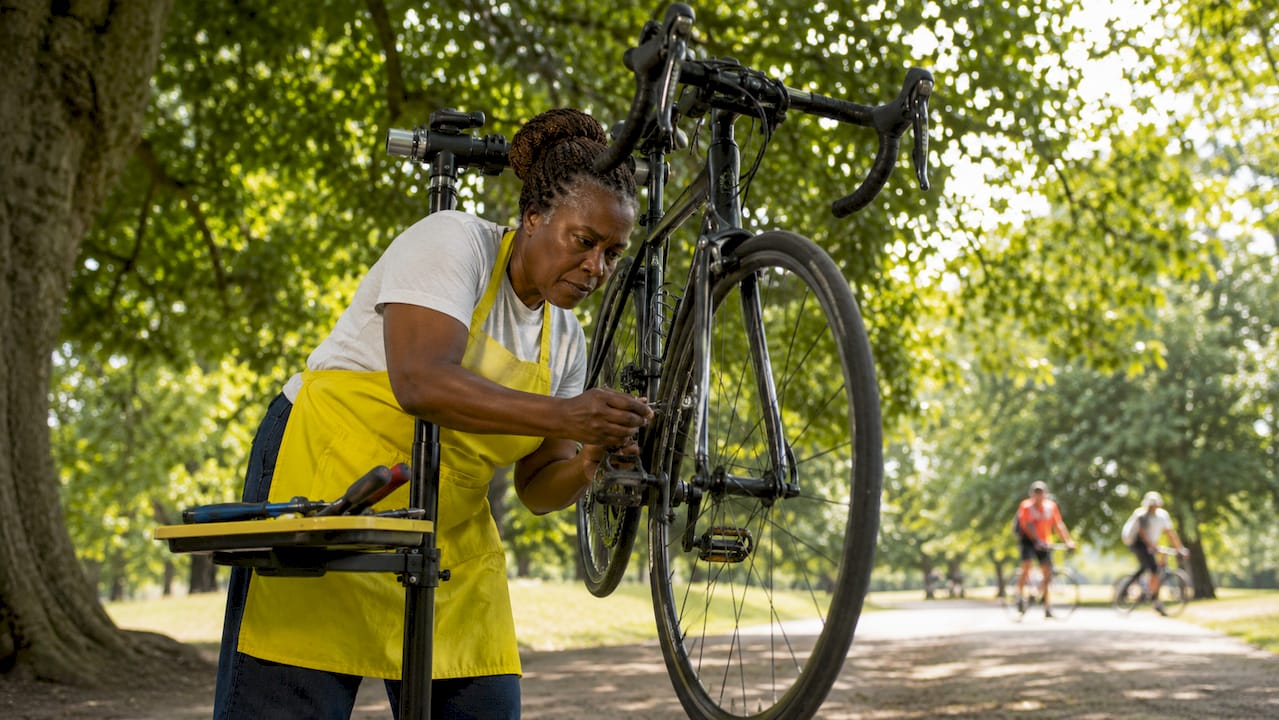
A bike tune-up is a professional service that inspects, cleans, adjusts, and lubricates your bicycle to maintain safety and performance. The industry term for this work is a “bicycle service” or “bicycle overhaul,” depending on depth, though most riders and shops use “tune-up” as the everyday shorthand. Whether you ride a road bike, mountain bike, or an e-bike, understanding what this service covers helps you choose the right level of care and avoid unexpected repair bills.
A tune-up is not a fixed checklist. Some shops offer basic adjustments only, while others provide deep cleaning, bearing work, and full drivetrain overhauls. Knowing the difference protects your wallet and your wheels.
What does a bike tune-up include?
A standard bike tune-up covers the core tasks that keep your bicycle safe and shifting correctly. These include brake and gear adjustments, chain and cable lubrication, a safety inspection, and basic cleaning. Shops also check the hubs, headset, and bottom bracket for play or wear, tighten loose bolts, and inspect the wheels for true.
Standard tune-up tasks typically include:
Brake adjustment and pad inspection
Gear indexing and derailleur alignment
Chain cleaning and lubrication
Cable inspection and lubrication
Wheel truing check
Hub, headset, and bottom bracket inspection
Bolt torque check
Tyre pressure and condition check
Frame inspection for cracks or damage
The scope of each item varies by shop and service tier. One mechanic’s “brake adjustment” may mean a quick barrel adjuster tweak. Another’s may include bleeding hydraulic brakes and replacing pads. That difference matters when you are comparing prices.
Pro Tip: Before booking, ask the shop to list exactly what their tune-up includes. A good mechanic will tell you upfront, and it prevents confusion when you collect your bike.

A thorough initial inspection always comes before any adjustments or cleaning. This step identifies frame cracks, worn components, and safety hazards that adjustments alone cannot fix. Skipping it means you risk addressing symptoms rather than the actual problem.
How do service levels compare for a bicycle tune-up?
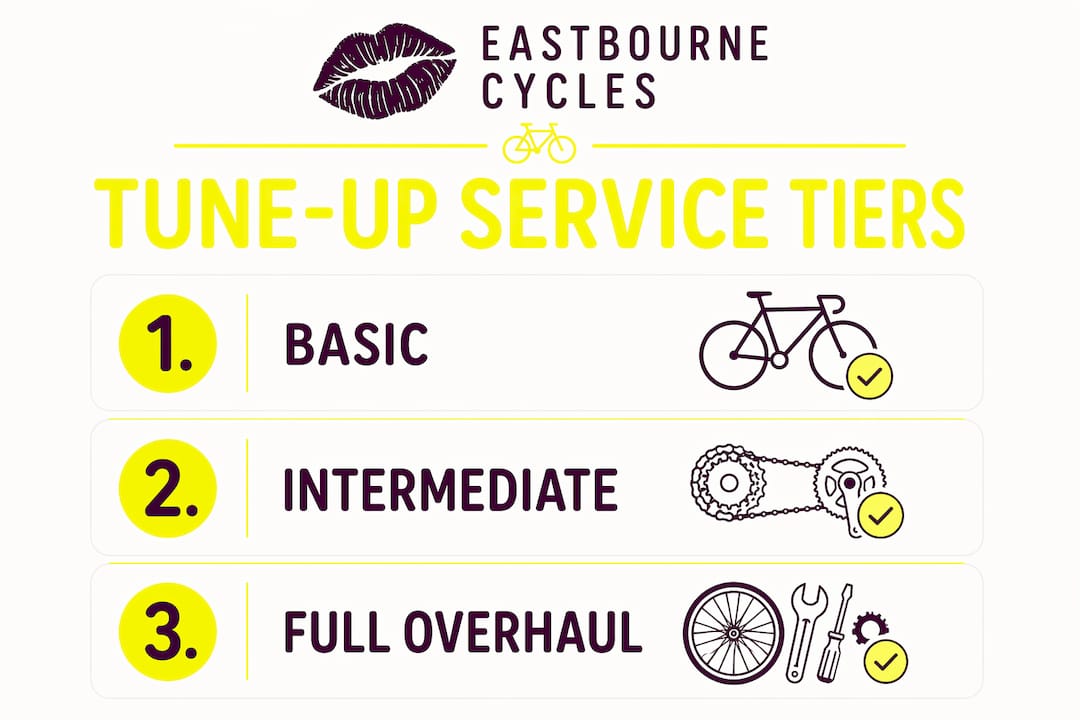
Bike tune-ups fall into three broad tiers: basic, intermediate, and full overhaul. Each tier covers progressively more work, takes longer, and costs more. Choosing the right tier depends on your bike’s condition and how heavily you ride.
Basic adjustments take as little as 30 minutes, while a thorough intermediate service typically takes half a day. A full strip-down and overhaul requires at least a full day in the workshop. That time difference reflects the depth of cleaning, the number of components removed, and whether parts are replaced.
Service tier | Typical work covered | Approximate time |
Basic tune-up | Brake and gear adjustment, lubrication, safety check | 30–60 minutes |
Intermediate service | All basic work plus wheel truing, cable replacement, drivetrain clean | Half day |
Full overhaul | Complete strip-down, bearing service, all cables and housing replaced | Full day or more |
Work expands based on bike contamination and hidden wear. A bike with a heavily contaminated drivetrain or corroded cables will take significantly longer than a well-maintained one at the same service tier. This is why two bikes booked in for the same service can leave with very different bills.
For e-bike owners, service tiers carry additional complexity. Bosch, Yamaha, and Shimano motor systems each require specific diagnostic tools and software that general mechanics may not carry. A shop with direct manufacturer relationships, like Eastbournecycles, can run factory-level diagnostics as part of a service rather than guessing at motor behaviour.
What does a bike tune-up cost?
Basic tune-ups cost between $35 and $70, while complete services with parts replacement can exceed $200. These figures reflect the US market, and UK pricing follows a similar pattern in pounds sterling, varying by region and shop. Eastbourne and the South East generally sit at mid-range labour rates compared to London.
Several factors influence the final price:
Service tier: A basic adjustment costs far less than an intermediate or full overhaul.
Bike type: E-bikes require specialist knowledge and diagnostic equipment, which adds to labour time.
Bike condition: A neglected bike with corroded cables, a worn chain, and a dirty drivetrain will take longer to service.
Parts replacement: Cables, brake pads, chain, and cassette are often charged separately from labour.
Local labour rates: Workshop rates vary by location and shop reputation.
Pro Tip: Always confirm the total cost before work begins. Ask whether parts are included or charged separately, and request a call if additional work is needed mid-service. This avoids bill shock when you arrive to collect.
DIY tune-ups are an option for experienced riders with the right tools. Shimano publish detailed guidance on tasks like chain wear measurement and cable adjustment. However, e-bike motor systems require proprietary software for accurate diagnosis, making professional servicing the only reliable option for those components.
How often should you get a bike tune-up?
Tune-up frequency depends on how often you ride, what conditions you ride in, and what type of bike you own. A casual weekend rider on dry roads needs less frequent servicing than a daily commuter riding through rain and mud.
For most cyclists, an annual service covers the basics. Riders who clock up significant mileage, commute daily, or ride in wet or muddy conditions benefit from a mid-year check as well. You can find detailed guidance on recommended service intervals for different riding styles and bike types.
E-bike owners should have a professional service at least annually, with an additional mid-year check for daily commuters or riders in challenging environments. The first service is best scheduled after the initial six months of ownership, when cables have bedded in and the motor system has logged enough hours to reveal any early issues. For a full breakdown of what e-bike maintenance involves, Eastbournecycles has published a detailed e-bike maintenance guide covering both mechanical and electrical systems.
Between professional services, keep an eye on these indicators:
Chain wear: use a chain wear indicator tool and replace before the cassette suffers accelerated wear
Brake feel: spongy hydraulic brakes or long lever travel on mechanical brakes signal adjustment or bleeding is needed
Gear shifting: hesitation, skipping, or noise under load points to cable stretch or drivetrain wear
Tyre condition: cuts, bulges, or persistent punctures mean the tyre needs replacing
Creaking or unusual noises: often indicate loose bolts, dry bearings, or a worn bottom bracket
Measuring chain wear is a more reliable trigger for servicing than a fixed calendar schedule. A chain that has stretched beyond its wear limit accelerates wear on the cassette and chain rings, turning a £15 chain replacement into a £100 drivetrain job. Catching it early is one of the most cost-effective bike maintenance tips available to any rider.
Before every commute or long ride, a quick pre-ride safety check takes under five minutes and catches the issues most likely to cause problems on the road.
Key takeaways
A bike tune-up is a tiered service covering inspection, adjustment, cleaning, and lubrication, and choosing the right level for your bike’s condition is the single most effective way to protect your investment.
Point | Details |
Tune-ups are not standardised | Always confirm exactly what a shop includes before booking to avoid mismatched expectations. |
Service tiers vary widely | Basic services take 30–60 minutes; full overhauls require a full day and cover bearing and cable replacement. |
Cost depends on condition and tier | Prices range from basic rates up to over £200 for full services, with parts often charged separately. |
E-bikes need specialist servicing | Annual professional service is the minimum, with mid-year checks for daily commuters or wet-weather riders. |
Chain wear drives timing | Monitor chain stretch with a wear indicator tool rather than relying on a fixed calendar schedule. |
Why I always start with the inspection, not the spanner
Most riders bring a bike in and expect the mechanic to start turning bolts immediately. In my experience, that instinct leads to missed problems. The inspection comes first, every time. A cracked chainstay or a headset with significant play changes the entire scope of what needs doing, and no amount of gear indexing fixes a structural issue.
The other thing I see regularly is riders choosing a basic tune-up on a bike that genuinely needs an intermediate or full service. The bike leaves the workshop shifting better, but the worn cables, stretched chain, and contaminated bottom bracket are still there. Six weeks later, the rider is back with a seized derailleur or a skipping cassette. Spending slightly more on the right service tier upfront saves money over the course of a season.
Chain wear monitoring is the single habit I recommend to every cyclist. A chain wear indicator costs very little and takes seconds to use. Shimano’s guidance on this is clear: replace the chain before the cassette wears, not after. I have seen riders spend four times more on a new cassette and chain rings because they delayed a straightforward chain replacement.
For e-bike owners specifically, do not assume a standard bike shop can service your motor system correctly. Bosch and Yamaha systems require proprietary diagnostic software. A shop without that access is working blind on the electrical side, which is a risk not worth taking.
— Guy
Professional bike and e-bike servicing in Eastbourne
Eastbournecycles offers expert servicing for both traditional bicycles and e-bikes, with over 12 years of workshop experience and direct relationships with manufacturers including Bosch, Yamaha, and Shimano.

Whether you need a straightforward standard bike service or a full e-bike diagnostic and overhaul, the team at Eastbournecycles carries the tools, parts, and expertise to do the job properly. Factory-level diagnostics mean motor and electrical faults are identified accurately, not guessed at. Transparent pricing means you know what you are paying before work begins. With a 4.7-star Google rating, you can book with confidence that your bike is in capable hands. Visit Eastbournecycles to book your service or speak to a mechanic directly.
FAQ
What is included in a standard bike tune-up?
A standard tune-up covers brake and gear adjustment, chain lubrication, cable inspection, a safety check, and basic cleaning. Shops also inspect the hubs, headset, and bottom bracket, and check wheel true and bolt torque.
How long does a bike tune-up take?
A basic tune-up takes 30–60 minutes. An intermediate service typically takes half a day, and a full overhaul requires at least a full day depending on the bike’s condition and the extent of parts replacement needed.
How much does a bike tune-up cost in the UK?
Prices vary by service tier and location. Basic services start at the lower end of the market, while full overhauls with parts replacement can exceed £200. Always confirm whether parts are included or charged separately before booking.
How often should an e-bike be serviced?
E-bike owners should book a professional service at least once a year, with an additional mid-year check for daily commuters or riders in wet or muddy conditions. The first service is best scheduled after the initial six months of ownership.
Can I do a bike tune-up myself?
Experienced riders can handle tasks like chain lubrication, brake adjustment, and gear indexing at home. However, e-bike motor systems require proprietary diagnostic software, so electrical components always need professional attention from a qualified mechanic.
Recommended


Comments