
What is an e-bike system reset and how to do it
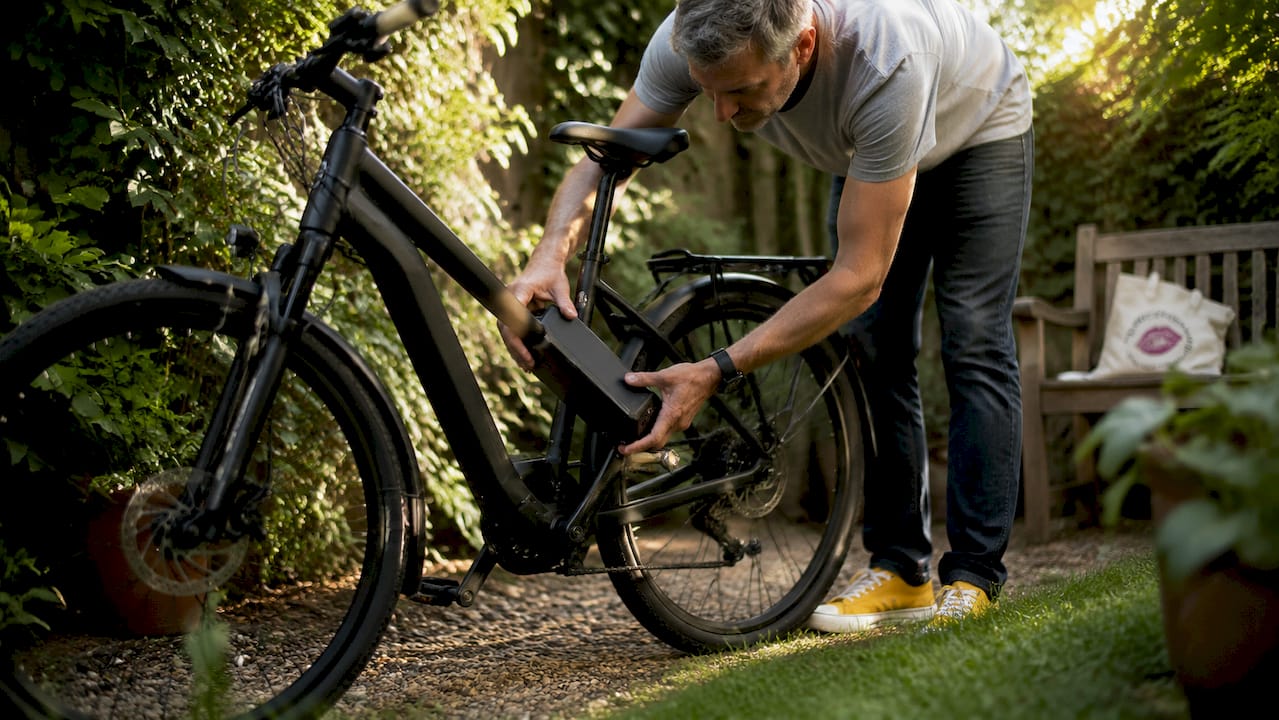
An e-bike system reset is a controlled reboot of the bike’s electronic control system, designed to clear temporary software faults and restore normal operation. Most riders encounter the term when a display freezes, an error code appears, or the motor stops responding without obvious cause. Understanding the difference between a soft reset and a factory reset is the first step to fixing most electronic issues yourself. Brands like Bosch and Shimano build reset procedures into their systems precisely because software glitches are common and usually fixable without a workshop visit.
What is an e-bike system reset and what does it actually do?
An e-bike system reset clears temporary software glitches and forces a full reinitialisation of the electronic control system from a powered-off state. Think of it as the same action you take when a smartphone freezes: you power it off completely and start fresh. The reset does not alter the physical components. It addresses the electronic states that get stuck between the battery, motor controller, display, and sensors.
There are two distinct types of reset, and knowing which one applies to your situation matters.
Soft reset is a simple power cycle. You turn the system off, remove the battery, wait a short period, then reconnect and power on. This type preserves your settings and clears most transient faults. It is the correct first response to a frozen display or an unexplained error code.
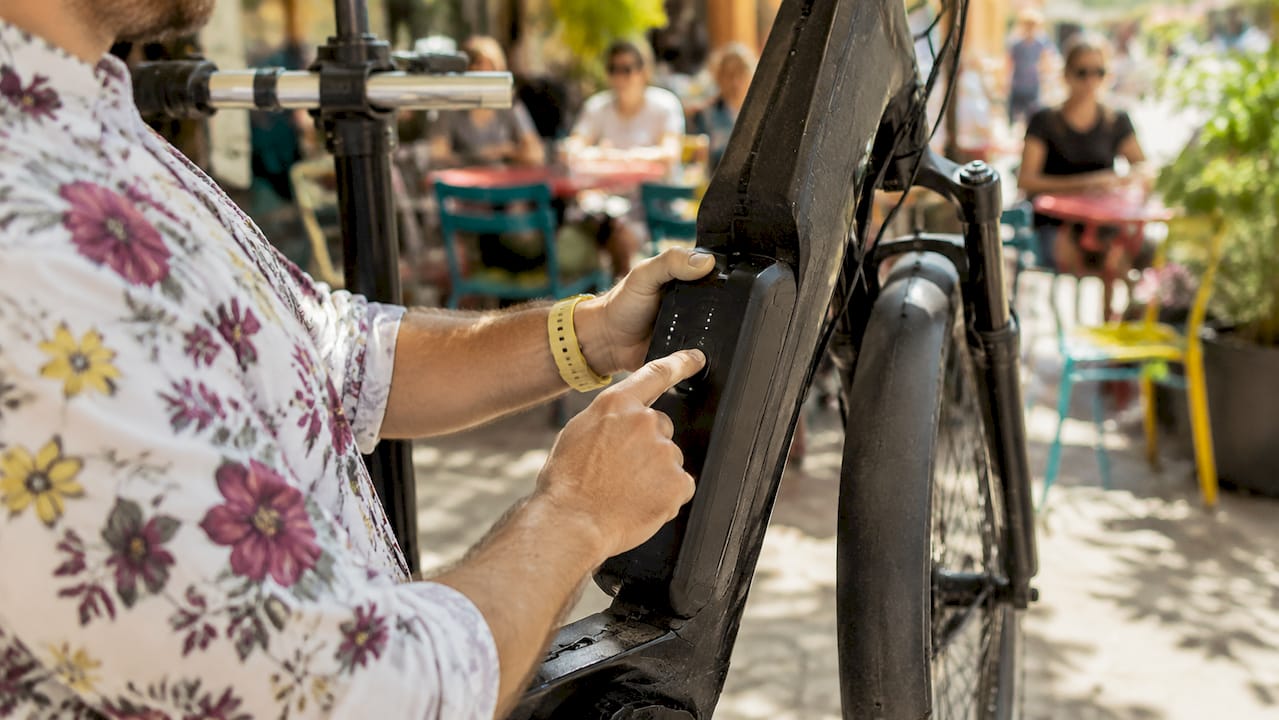
Factory reset goes deeper. It restores the system to its original manufacturer defaults and erases customised settings, trip data, and any stored preferences. Use this sparingly. It is appropriate when a soft reset fails repeatedly or when you are preparing a bike for resale.
A reset works because controller memory and communication handshakes can get stuck in a fault state. A full power cycle forces every component, including the battery management system, motor controller, and display unit, to reboot and reestablish communication from scratch. This is why simply rebooting the display alone is often insufficient. Removing the battery entirely and waiting for capacitors to discharge is more effective, since some glitches reside in the drive unit rather than the display.
Pro Tip: A reset addresses electronic states, not physical damage. If your error code returns within seconds of powering back on, the cause is almost certainly mechanical or electrical rather than a software glitch.
How to reset your e-bike system safely: step-by-step
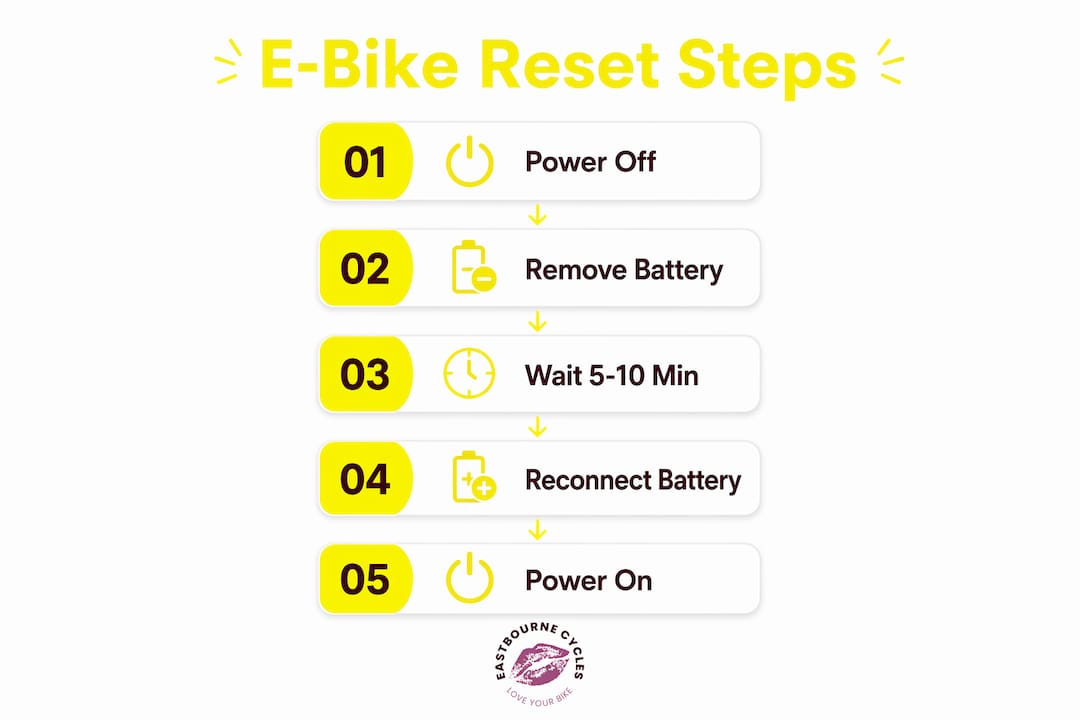
The safest and most effective reset procedure follows a clear sequence. Skipping steps, particularly the waiting period, reduces the chance of a successful outcome.
Soft reset (power cycle)
Press and hold the power button to turn the system off completely.
Remove the battery from its mount. Do not simply switch it off at the battery; physically disconnect it.
Wait 5–10 minutes. This allows residual charge in the capacitors to drain fully, which is what clears stored error states.
Reinstall the battery securely, checking that the contacts are clean and the latch is fully engaged.
Power the system on and observe the display for any returning error codes.
Factory reset
Factory reset procedures vary by brand and model. On many systems, you access the reset option through the display menu, typically under settings or system information. Some displays have hidden factory reset options activated by button sequences or long presses on the minus button. Always consult your owner’s manual before attempting this, as the exact combination differs between manufacturers.
Do not attempt to open the controller housing, cut wires, or tamper with internal components. A factory reset is a software-level action performed through the display or a companion app. Any physical disassembly of the drive unit or controller voids your warranty and risks serious damage.
Pro Tip: Before performing a factory reset, photograph your current settings screen. You will need to re-enter assist levels, wheel size, and any custom configurations afterwards.
For Bosch systems specifically, check the eBike Flow app before resetting. The app shows current error codes and confirms whether a firmware update is pending. Running an update first often resolves the fault without any reset at all.
How do Bosch and Shimano e-bike systems handle resets?
The two most common e-bike drive systems in the UK, Bosch and Shimano STEPS, approach resets and fault resolution in slightly different ways. Understanding the distinction helps you troubleshoot more efficiently.
Feature | Bosch Smart System | Shimano STEPS |
Primary reset method | Power cycle via display or eBike Flow app | Power off and on using battery switch |
Firmware update tool | eBike Flow app (iOS and Android) | Dealer diagnostic tool (E-TUBE PROJECT) |
First recommended action | Check eBike Flow app for error codes and updates | Restart system; check display for fault codes |
If fault persists | Contact authorised Bosch eBike dealer | Consult authorised Shimano dealer |
Hidden reset options | Button sequences on display (model-dependent) | Limited; dealer-level access required |
Bosch Smart System errors often require firmware updates via the eBike Flow app before a restart resolves the fault. Communication faults in Bosch systems are frequently firmware-related rather than hardware failures. The eBike Flow app acts as the primary diagnostic tool, displaying error codes and guiding you through the correct fix. Eastbournecycles has direct relationships with Bosch and carries out Bosch-specific servicing for cases where app-guided fixes are not sufficient.
Shimano STEPS manuals recommend cycling the power as the first response to any error condition. If the fault persists after a clean restart, Shimano advises dealer-level diagnostics rather than repeated resets. The E-TUBE PROJECT software used by Shimano dealers provides deeper access than anything available to riders directly. For a detailed breakdown of the Shimano diagnostic process, the Shimano STEPS diagnostics guide on the Eastbournecycles blog covers the full procedure.
Firmware maintenance is a first-class element of e-bike troubleshooting for both brands. Version mismatches cause many faults that look like hardware problems but resolve entirely with an update.
When will a system reset not fix your e-bike?
A reset resolves software and electronic glitches. It does not repair physical damage. Knowing this boundary saves you time and prevents you from masking a fault that needs proper attention.
Situations where a reset will not help include:
Water ingress into the controller, battery contacts, or motor housing. Moisture causes corrosion and short circuits that no software action can address.
Blown fuses or melted connectors. These require physical replacement by a qualified technician.
A damaged battery management system. If the battery itself is faulty, the system will not initialise correctly regardless of how many times you reset it.
Loose or corroded wiring harness connections. A connector that is not fully seated mimics a software fault but will return immediately after every reset.
Errors that return immediately after a clean power cycle and with connectors properly seated are a clear signal to stop resetting and seek professional diagnosis. Most cases where a reset fails are due to physical issues such as loose connectors or sensors that are not tightly seated. Repeated resets without a thorough physical inspection waste time and risk masking a serious underlying fault.
After any reset attempt, carry out a brief physical check before riding. Inspect the battery mount for secure engagement, check the motor harness connector at the drive unit, and look along the frame for any visible cable damage. This takes two minutes and often reveals the real cause immediately.
Pro Tip: If you have reset the system twice with no improvement, stop. Each additional reset without a physical inspection increases the risk of missing a fault that could affect your safety on the road.
Ignoring a genuine hardware fault and continuing to ride risks both your safety and a significantly more expensive repair bill. A loose connector caught early costs very little to fix. The same connector left to arc and corrode can damage the controller, which is one of the most costly components on any e-bike.
Key takeaways
An e-bike system reset is the correct first response to electronic faults, but it works only for software glitches. Physical inspection must follow every unsuccessful reset attempt.
Point | Details |
Soft reset vs factory reset | Soft reset preserves settings; factory reset erases data and should be used sparingly. |
Full battery removal is essential | Removing the battery and waiting 5–10 minutes drains capacitors and clears stored error states. |
Firmware updates come first | For Bosch systems, check the eBike Flow app for updates before attempting any reset. |
Errors returning immediately signal hardware | A fault that reappears right after a clean reset points to a physical problem, not software. |
Know when to stop resetting | Two failed resets without improvement means it is time for professional diagnostics. |
What I have learned from years of e-bike troubleshooting
The most common mistake I see riders make is treating a reset as a universal fix. It is not. A reset is a diagnostic step, not a repair. When it works, it tells you the fault was electronic and transient. When it does not work, it tells you something equally useful: the problem is physical.
The second mistake is skipping the firmware check. Riders with Bosch systems often come in frustrated after multiple resets, and the fix turns out to be a five-minute update through the eBike Flow app. Firmware maintenance is not glamorous, but it resolves a surprising number of faults that look serious on the display.
What I find most telling is how many riders do not inspect the battery mount after a reset. The battery connector is the single most common point of failure on any e-bike. A slightly loose latch, a small amount of grit on the contacts, or a bent pin will cause intermittent faults that no reset will ever clear. Two minutes with a cloth and a careful eye at the battery mount solves more problems than any software procedure.
My practical advice: reset once, inspect thoroughly, then reset a second time if the inspection finds nothing. If the fault persists after that, bring the bike in. Continuing to reset without understanding the cause is not troubleshooting. It is guesswork, and it delays the proper repair your bike needs.
For routine prevention, keeping your e-bike battery in good condition reduces the frequency of electronic faults significantly. Most of the reset situations I deal with have a battery maintenance issue somewhere in the background.
— Guy
Professional e-bike reset support and repairs at Eastbournecycles
When a reset does not resolve the fault, or you would rather have a professional confirm the diagnosis, Eastbournecycles is ready to help.

Eastbournecycles offers expert e-bike repairs and diagnostics from a workshop with over 12 years of experience and direct manufacturer relationships with Bosch, Shimano, and Yamaha. Whether your system is showing a persistent error code, behaving intermittently, or has stopped responding entirely, the team can carry out a full e-bike servicing assessment and provide a clear, transparent estimate before any work begins. With a 4.7-star Google rating and factory-level diagnostic tools, Eastbournecycles gives you a reliable answer, not just another reset.
FAQ
What is the difference between a soft reset and a factory reset?
A soft reset is a power cycle that clears temporary glitches while preserving your settings. A factory reset restores the system to manufacturer defaults and erases trip data and custom configurations.
How long should I wait after removing the battery before restarting?
Wait 5–10 minutes after removing the battery. This allows residual charge in the capacitors to drain fully, which is what clears stored error states in the controller.
Will resetting my e-bike fix all error codes?
No. A reset clears software and electronic faults only. Error codes caused by water ingress, damaged connectors, blown fuses, or faulty sensors will return immediately after a reset.
Do I need the Bosch eBike Flow app to reset a Bosch e-bike?
You do not need the app for a basic power cycle, but Bosch recommends checking the eBike Flow app first. Many Bosch faults are firmware-related and resolve with an update rather than a reset.
When should I stop resetting and take my e-bike to a dealer?
Stop after two unsuccessful resets and a physical inspection of connectors and battery contacts. If the fault persists, dealer-level diagnostics are the correct next step.
Recommended


Comments